Choose timezone
Your profile timezone:
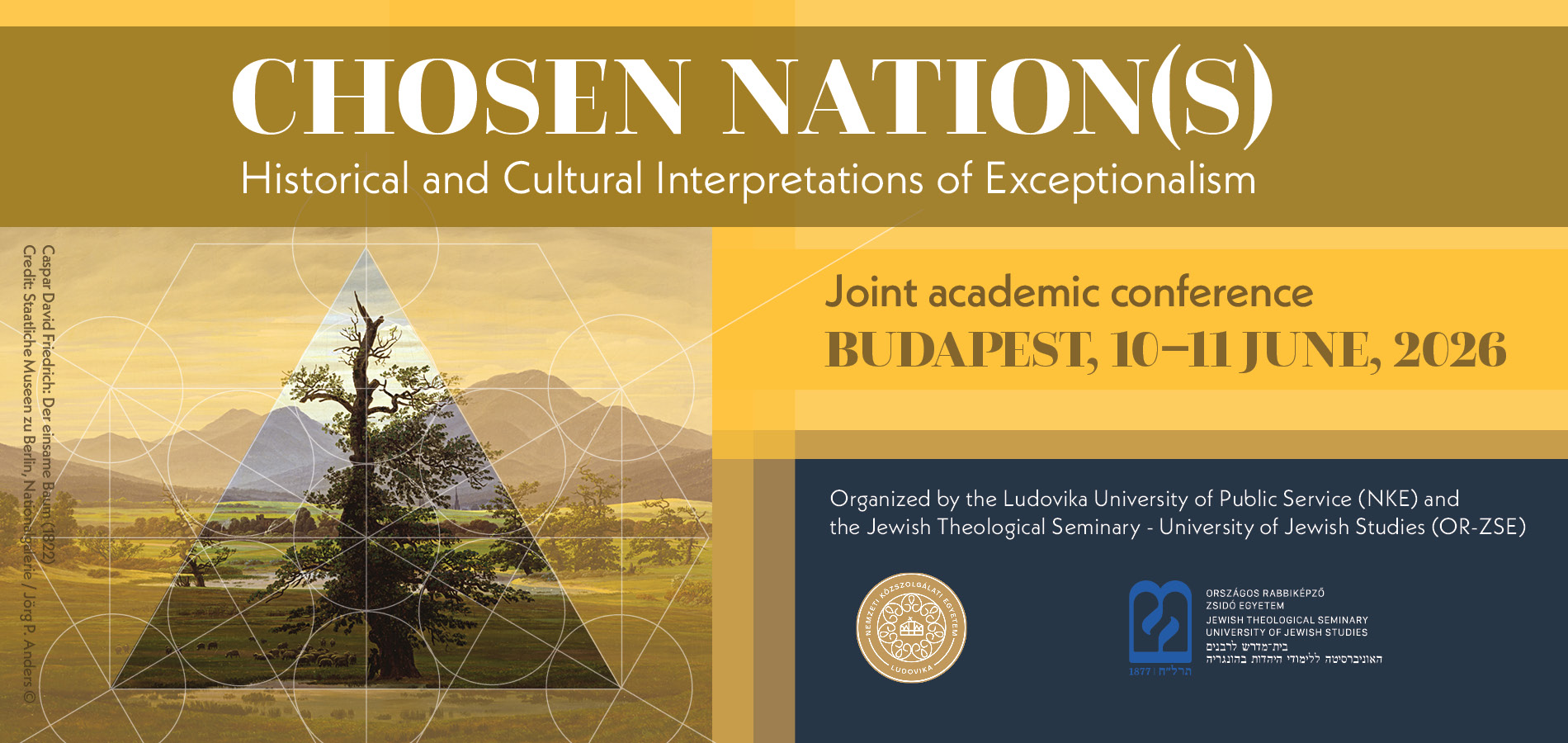
A Nemzeti Közszolgálati Egyetem Molnár Tamás Kutatóintézete és az Országos Rabbiképző – Zsidó Egyetem (OR-ZSE) közös szervezésében kerül megrendezésre a Chosen Nation(s): Historical and Cultural Interpretations of Exceptionalism című nemzetközi konferencia 2026. június 10–11-én Budapesten. A kétnapos rendezvény második napját (június 11.) a Molnár Tamás Kutatóintézet szervezi. Az interdiszciplináris konferencia célja, hogy párbeszédet nyisson a kiválasztottság, a történelmi hivatás és az exceptionalizmus eszméiről a vallási hagyományoktól a modern politikai teológiáig. A tematika felöleli a zsidó és keresztény kiválasztottság-fogalmakat, a szekularizált politikai teológia különböző változatait, a birodalmi civilizációs missziók narratíváit, az amerikai és orosz kivételességtudat történeti gyökereit, valamint a martyrológiai és áldozati identitások működési mechanizmusait. A konferencia különös figyelmet szentel annak, hogyan funkcionálnak a kiválasztottság-narratívák a legitimitás, a kizárás és az erkölcsi hierarchia eszközeiként – s hogyan alakulnak át, vitatottá válnak vagy fordulnak visszájukra különböző kulturális és történelmi kontextusokban.
Program:
DAY TWO | JUNE 11, 2026
NKE – Ludovika University of Public Service, Ludovika Campus
9:45 Registration
10:00–10:15 Opening remarks
10:15–11:30 — Keynote
11:30 Break
11:45–13:00 — Section 5: Religion, Nation, and Chosenness in Southeastern Europe
13:00 Break
14:00–15:15 — Section 6: Western Messianism and Its Discontents
15:15 Break
15:30–17:10 — Section 7: Myth, Magic, and Collective Identity
17:10–17:30 Closing remarks
A rendezvény kollégiumi pontszerző esemény, a pontok száma 2.
Dr. Pap Milán